



To wear or not to wear?
Do face masks really work?
How to wear one properly?
What are the differences of so many types of masks?
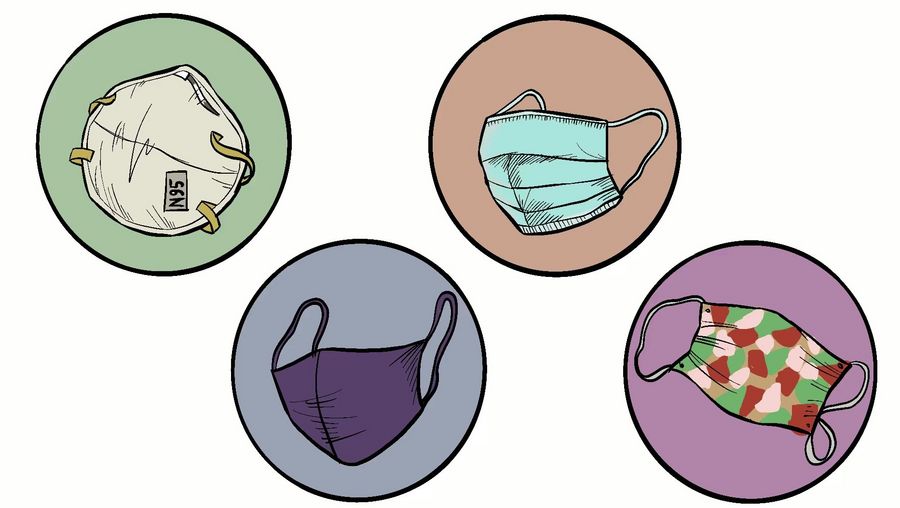
While wearing a face mask is not an iron-clad guarantee that you won't get sick, health authorities and experts in many parts of the world have encouraged all citizens to wear masks in public to prevent the spread of COVID-19.
Admit it or not, face masks are becoming the new normal around the world. Let's check out the features of different face masks and their health benefits from a scientific perspective.
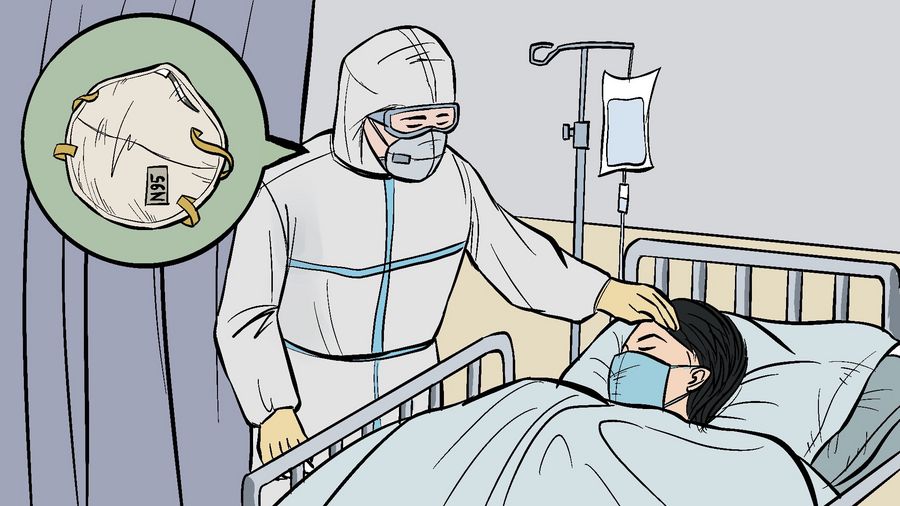
The best masks are respirators like N95, which are designed to fit the mask closely to the face. The N95 could capture 95 percent of airborne particles. However, the general public is urged not to use them because they are urgently needed by health care workers and other medical first responders.
A surgical mask is a loose-fitting, disposable mask that's rectangular in shape. It may help block transmission of large-particle microorganisms, but cannot protect the wearer from inhaling airborne bacteria or virus particles and are less effective than N95 respirators.
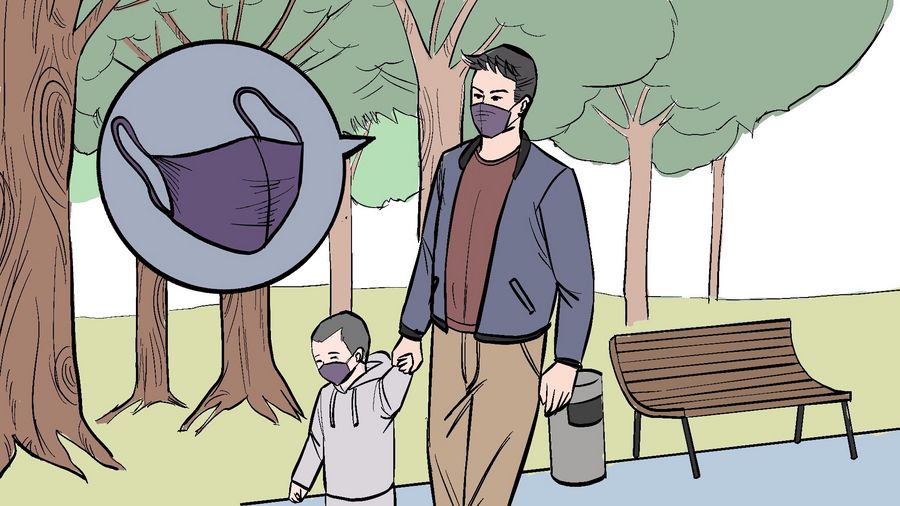
Regular masks tend to be looser fitting against the face and leave a gap between your skin and the edge of the mask. This makes them fairly inefficient at blocking smaller germ-laden particulates, which can easily sneak into the open gaps.
However, studies have found that they are still efficient to help contain and slow the spread of the virus. Remember any mask is better than no mask.
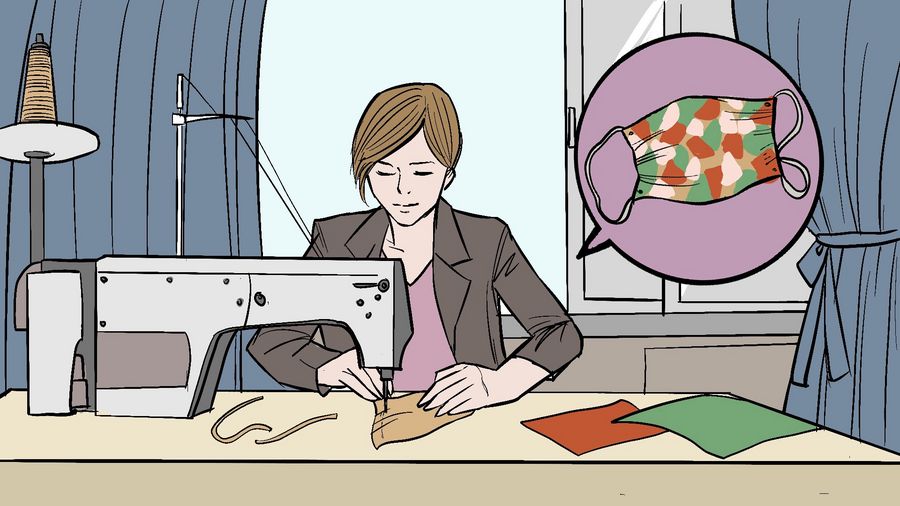
As masks are in demand worldwide, some countries have instructed their people to make DIY masks. For example in the United States, which is now the epicenter of this global pandemic, costume designers, wardrobe workers, nursing groups and a host of needle-wielding citizens are joining this new crusade. Ordinary Americans are also stepping up to create handmade masks for frontline workers, loved ones and others.
Before the outbreak of COVID-19, it seems that culture plays a bigger part in people's decision in wearing masks.
In many parts of Asia, face masks are commonplace as people use them to protect from air pollution, bacteria and viruses.
However, in many Western countries, people who wear face masks are often viewed as "disease carriers" and they may draw you unwanted attention or even invite stigma and racist attacks.
That's why the WHO, scientists and epidemiologists have warned against stigmatizing other countries by tagging a location to the name of the virus.
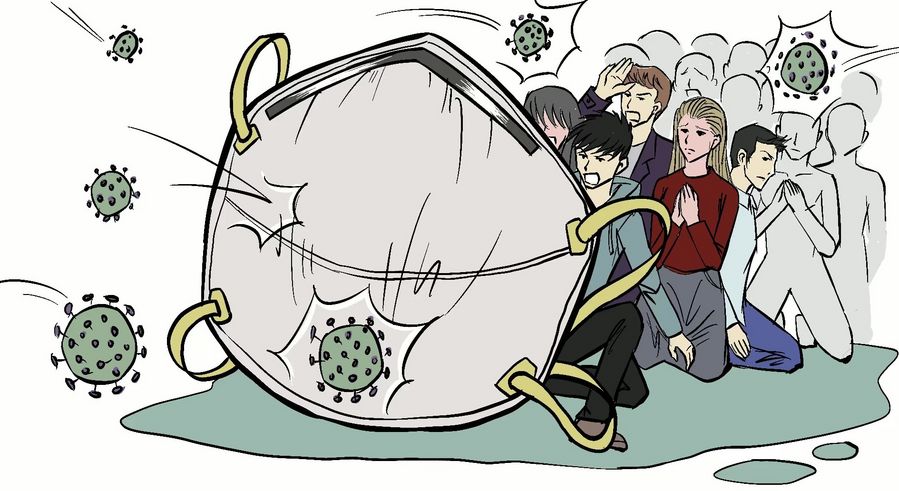
With COVID-19 sweeping across the globe, we are now facing a common threat. What sociologist Peter Baehr noted for SARS goes for today as well: "Mask culture" fosters a sense of a fate shared, mutual obligation and civic duty.
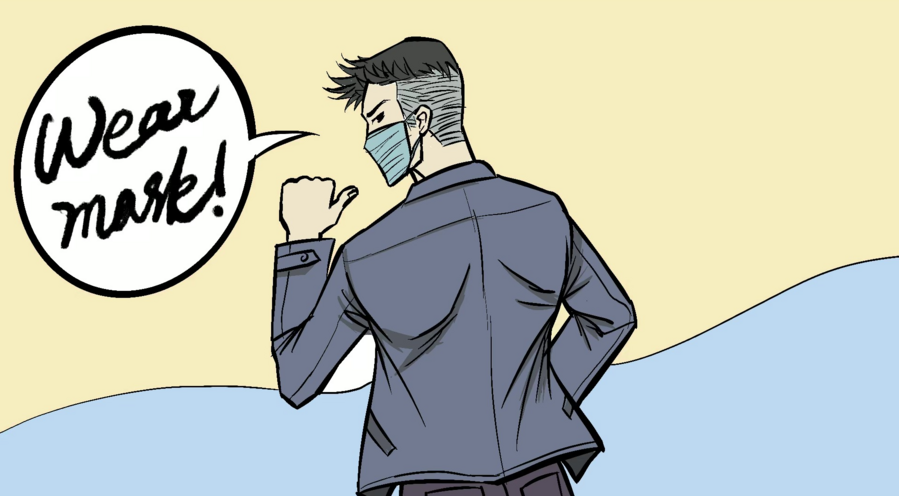 Members of this global community wear masks not only to fend off disease, but to show that they want to stick, and cope, together under the bane of contagion.■
