



If you are a fossil enthusiast, Zhangjiajie in central China is the place for you! Walking around the city you don't have to look far for signs of the past --- in fact just look beneath your feet...
CHANGSHA, April 21 (Xinhua) -- Paleontological fossils dating back 470 million years have been found in Zhangjiajie, a World Natural Heritage site, in central China's Hunan Province.
The fossils, in shapes of spirals, arcs, cones and ripples, are visible on public buildings, slate roads or steps, with some of their shells and microstructures discernible.
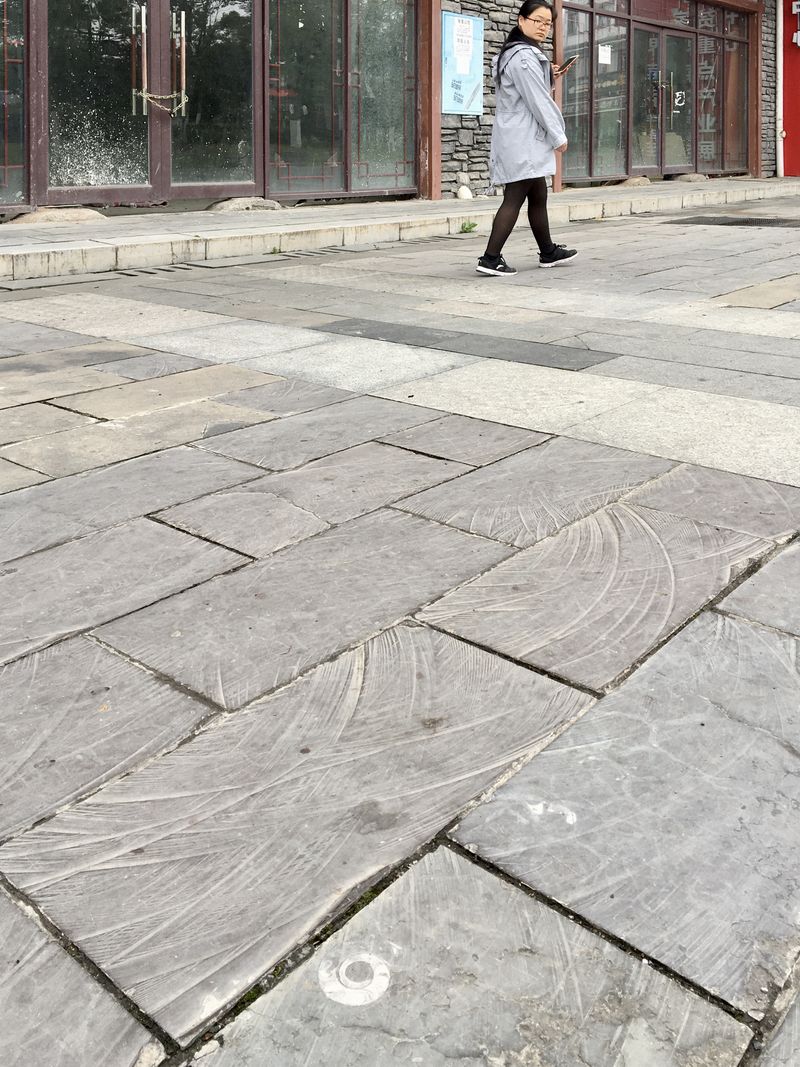
Fossils on the tour path in Zhangjiajie, central China's Hunan Province, April 9, 2020. (Xinhua/Su Xiaozhou)
Similar fossils also appear on the tour path in the Zhangjiajie Huanglong Cave, the Tianzi Mountain and the Jinbian Stream, which are found and described by tourists online.
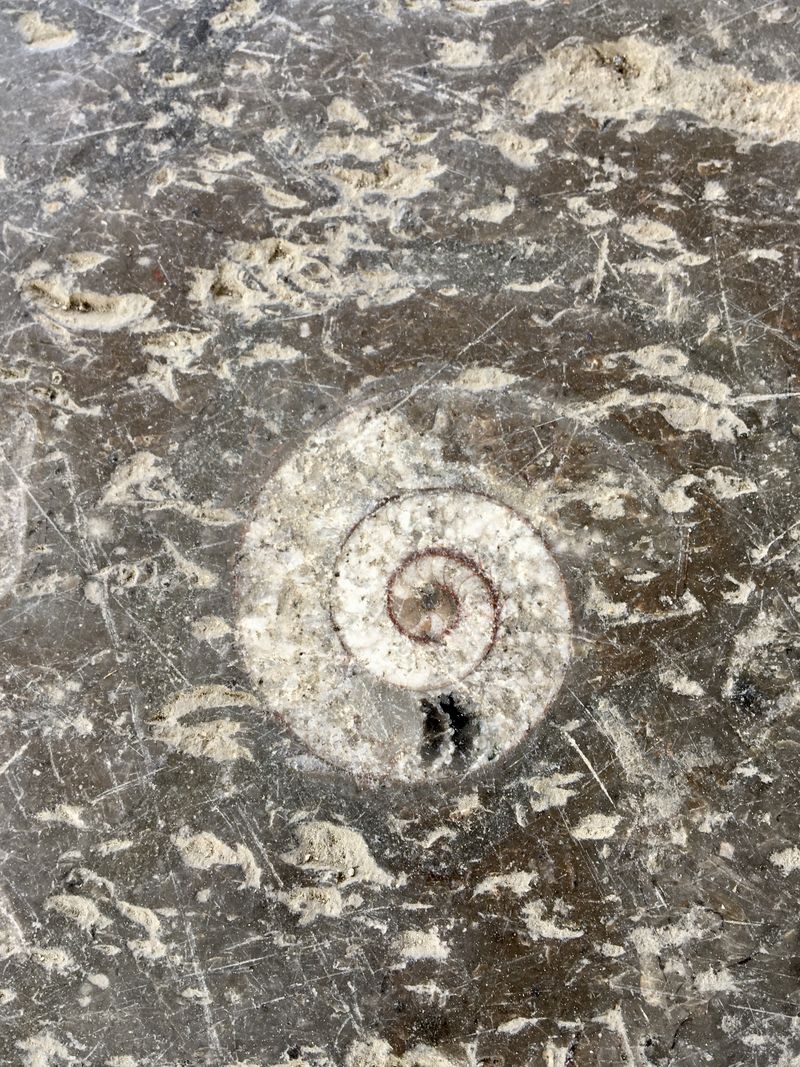
Fossils on the tour path in Zhangjiajie, central China's Hunan Province, April 9, 2020. (Xinhua/Su Xiaozhou)
"Some are like small shrimps, some snails. Big ones stretch across the whole stone step, while some are only thumb-sized," a netizen called Ami said in a travel blog at sina.com.
Xing Lida, an associate professor from the Beijing-based China University of Geosciences, recognized the fossils mostly as Sinoceras fossils, which originated in the Ordovician limestone layer in south China.
"These fossils can easily be found on roads, riverside paving stones in Zhangjiajie," Xing said.
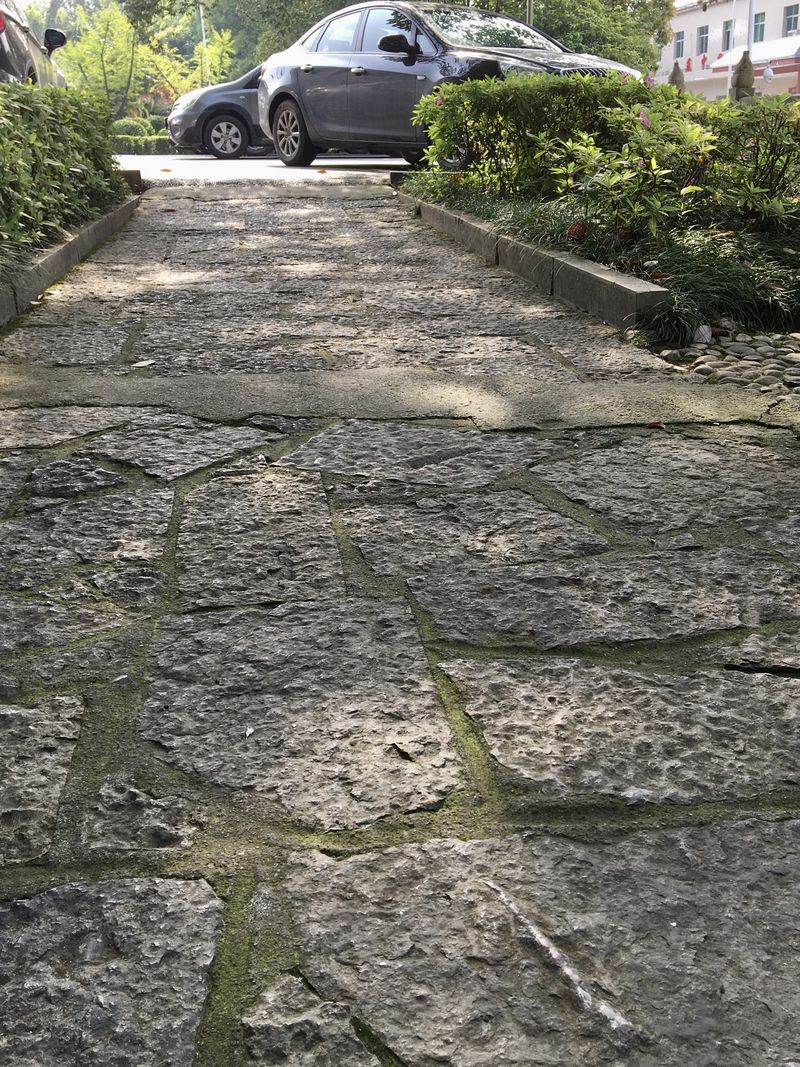
Fossils on the tour path in Zhangjiajie, central China's Hunan Province, April 9, 2020. (Xinhua/Su Xiaozhou)
According to the official website of the Ministry of Natural Resources, Sinoceras fossils, also known as "Chinese hornstones," are common in nature. Either straight or coiled, the shells of Sinoceras are usually hard with ripple marks on the surface.
As one of the most important and dominant cephalopods back then, Sinoceras lived in the Middle Ordovician age about 470 million years ago.

Fossils on the tour path in Zhangjiajie, central China's Hunan Province, April 9, 2020. (Xinhua/Su Xiaozhou)
"In accordance with relevant regulations for paleontological fossil protection, limestone with common fossils in it can be used to pave the road," said Hu Nengyong, former curator of the Geological Museum of Hunan.
"It adds a kind of artistic beauty to the resort," Hu said. ■
