




by Xinhua writer Dan Ran
HONG KONG, May 17 (Xinhua) -- "A nation stays alive when its culture stays alive." These are the words shown at the entrance of an ongoing exhibition of Afghan national treasures at Tsinghua University Art Museum in Beijing.
China is one of the many stops on the nomadic journey of these Afghan treasures, which narrowly survived years of conflicts and destruction in the war-torn country.
The exhibition has toured France, Italy, the Netherlands, the United States, Canada, Germany, Britain, Australia, Japan and South Korea since 2006. In 2017, China joined the global relay to protect and display these treasures in efforts to keep the crucial part of an ancient civilization alive.
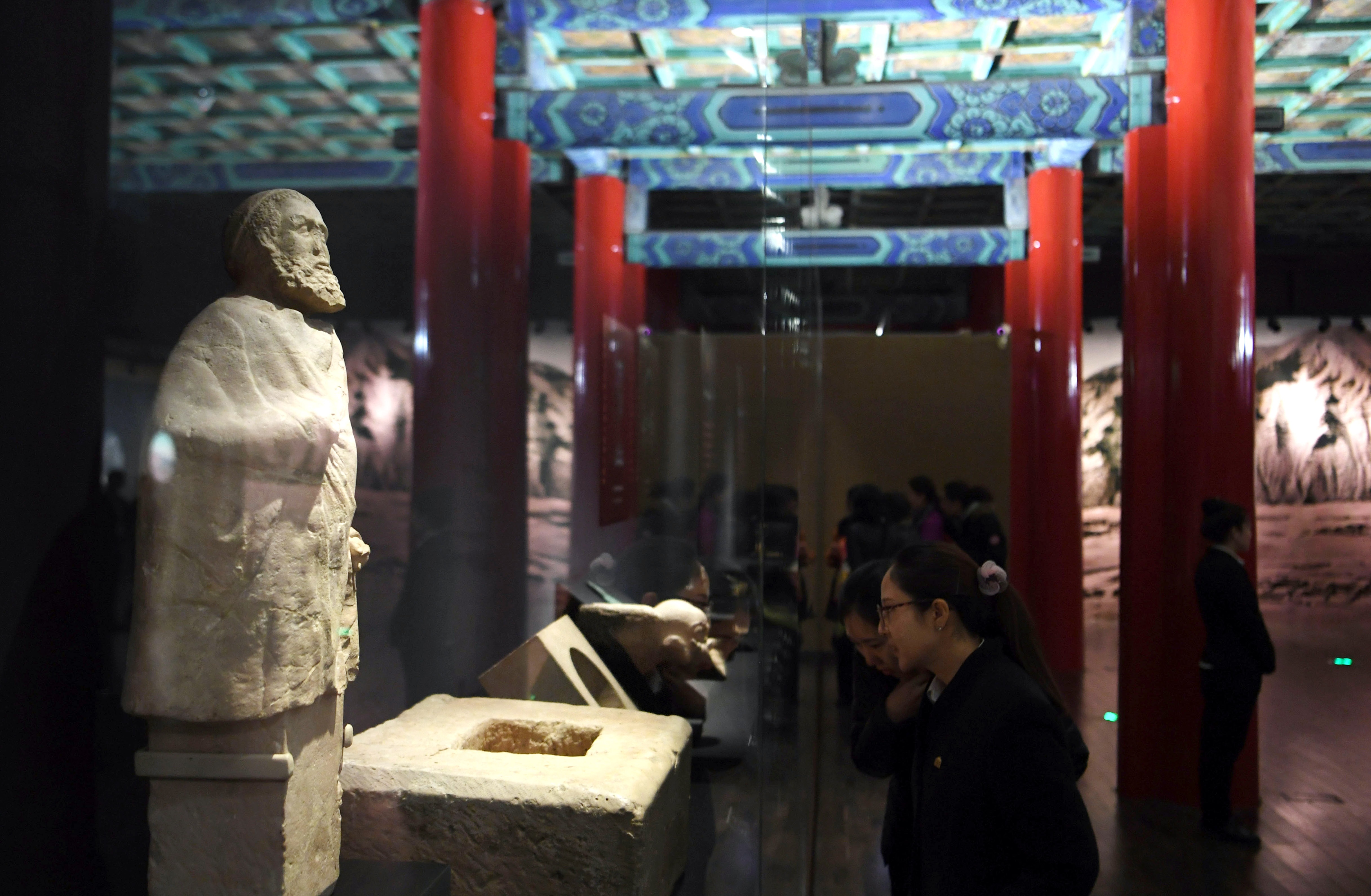
Visitors view exhibits on an exhibition of cultural relics from the National Museum of Afghanistan at the Palace Museum in Beijing, capital of China, on March 17, 2017. (Xinhua/Jin Liangkuai)
TAKING EXHIBITS ROUND THE WORLD
In March 2017, Director of Afghan National Museum Mohammad Fahim Rahimi traveled to China together with 231 pieces of his country's national treasures and relics, which were later displayed in the Palace Museum in Beijing.
The three-month exhibition drew more than 8,000 visitors per day, who were amazed at the rich history and culture of Afghanistan and the concerted global efforts to keep the treasures in safe hands.
In 2001, the Taliban regime that ruled Afghanistan dynamited and destroyed two enormous 6th century giant Buddhas of Bamiyan, besides wreaking havoc on other precious cultural relics. The 231 precious items on display overseas were among a number of rare collections secretly saved by Afghan museum staff from the flames of war.
They represent the cultural heritage from the Bronze Age, the Hellenistic period and the Kushan dynasty, as well as the period between the invasion of the Yuezhi people and the establishment of the Kushan dynasty, showcasing the integration and mingling of ancient civilizations.
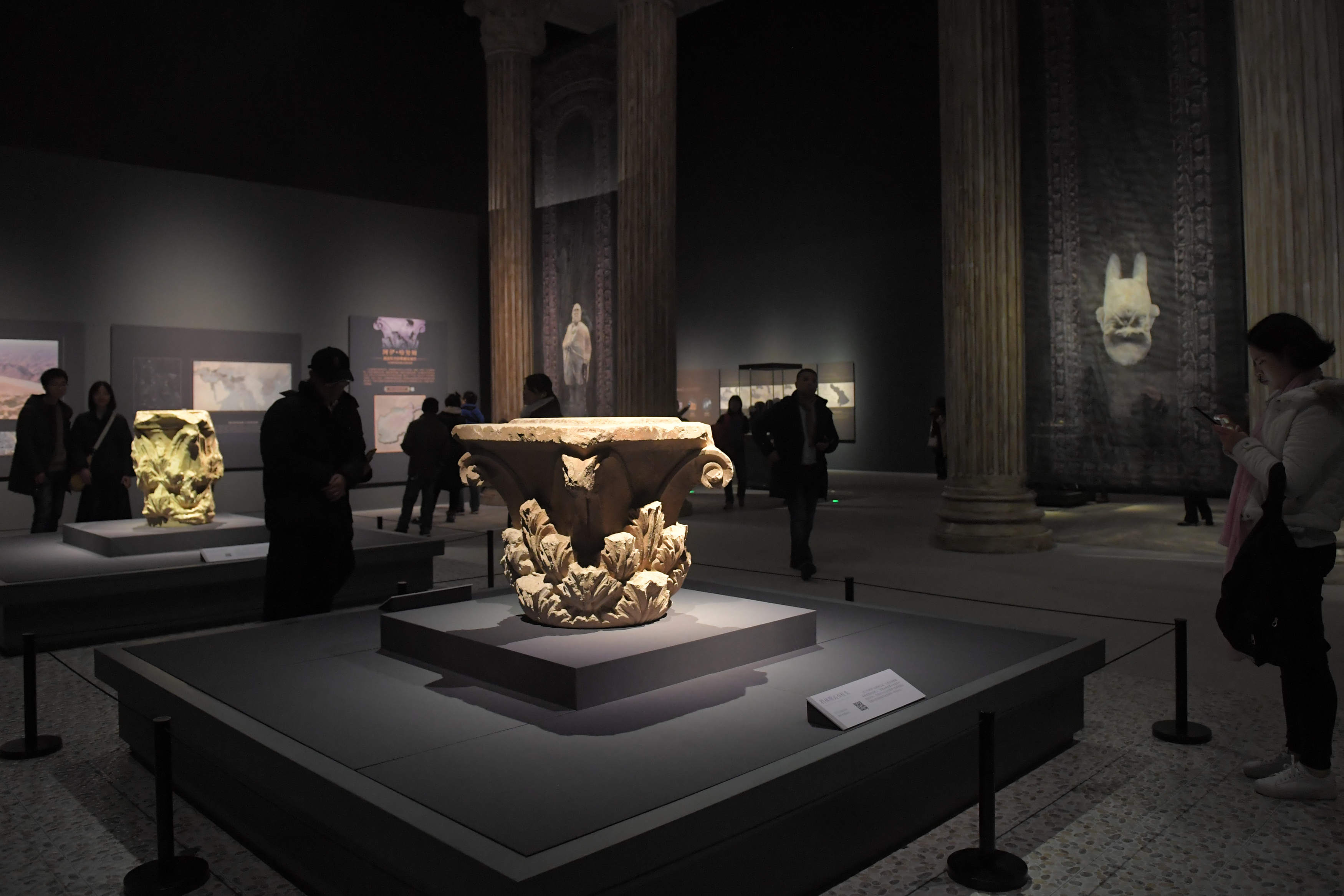
Visitors view exhibits on an exhibition of cultural relics from the National Museum of Afghanistan at the Hunan Museum in Changsha, capital of central China's Hunan Province, Dec. 29, 2018. (Xinhua/Chen Zeguo)
"Afghanistan has served as the crossroad of civilizations in the course of history that connects South Asia to Central Asia and as well as the East to the West," said Rahimi.
Displaying Afghanistan's cultural treasures in China, a peaceful and populous country, is vital for the introduction of Afghanistan's civilization to the Chinese audience, he said.
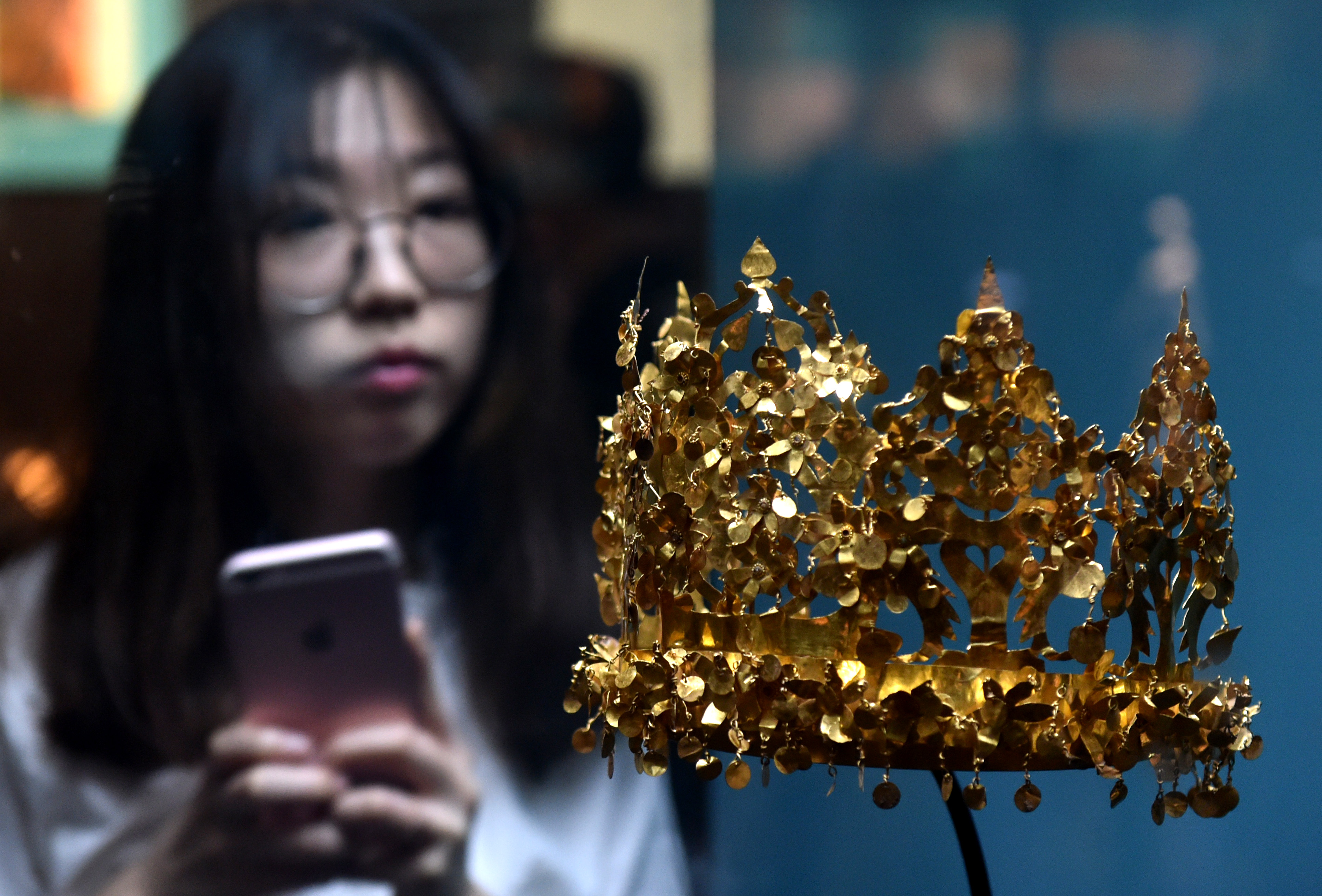
A woman looks at a golden crown during an Afghan cultural relics show at Zhengzhou Museum in central China's Henan Province, on May 25, 2018. (Xinhua/Li Jianan)
For Mathew Trinca, director of the National Museum of Australia (NMA), the dialogue between civilizations is at the heart of making the world a better place.
The NMA held its very first overseas exhibition in Guangzhou, China, in 2002. Since then, exchange programs between NMA and Chinese museums have been frequent.
In 2018, a 150-piece aboriginal art exhibition titled "Old Masters: Australia's Great Bark Artists" was held in China, and a Chinese calligraphy and painting exhibition opened at the National Museum of Australia last month.
"I think there's a deep truth in all human life that when we share our stories with others, we learn about ourselves in the act of sharing with others," said Trinca.
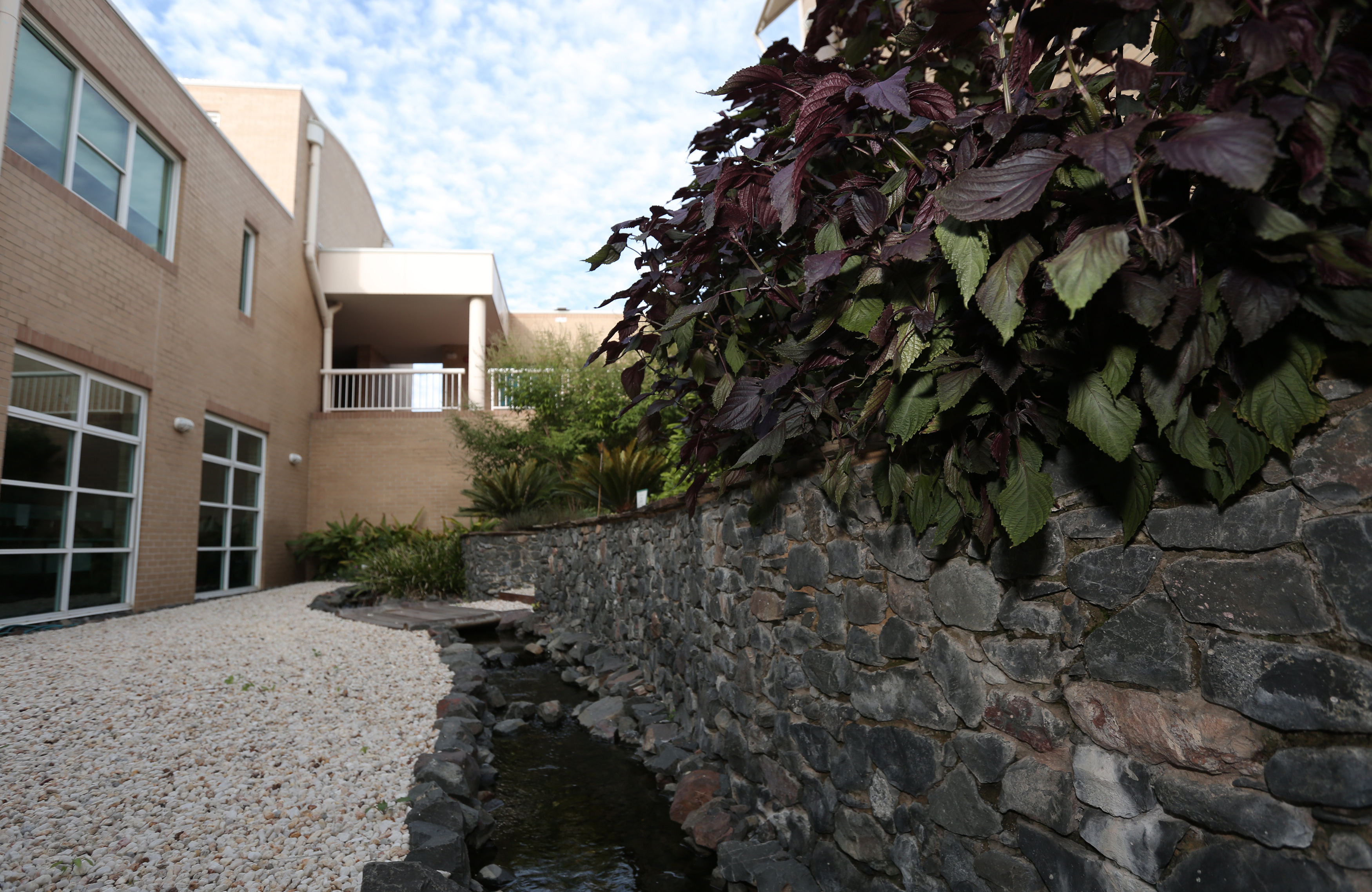
Photo taken on April 8, 2019 shows the traditional Chinese medicine herbs planted outside of the Chinese medicine center of the Western Sydney University (WSU) in Sydney, Australia. (Xinhua/Bai Xuefei)
SEEKING CURE FROM EAST AND WEST
When it comes to the combination of wisdom of the East and West, Australian student Beata Pieczywek has her story to tell.
Pieczywek suffered from some serious health problems a few years ago and failed to find relief from Western medicine. In a half-hearted attempt, she turned to traditional Chinese medicine for help, and the result surprised her.
"Yes, it cured me," said Pieczywek, who is now a third year student studying traditional Chinese medicine in Western Sydney University (WSU).
The WSU is one of the few universities outside of China that offer training in both Western medicine and traditional Chinese medicine, aiming for a strictly integrative approach to combine the effects of both practices.
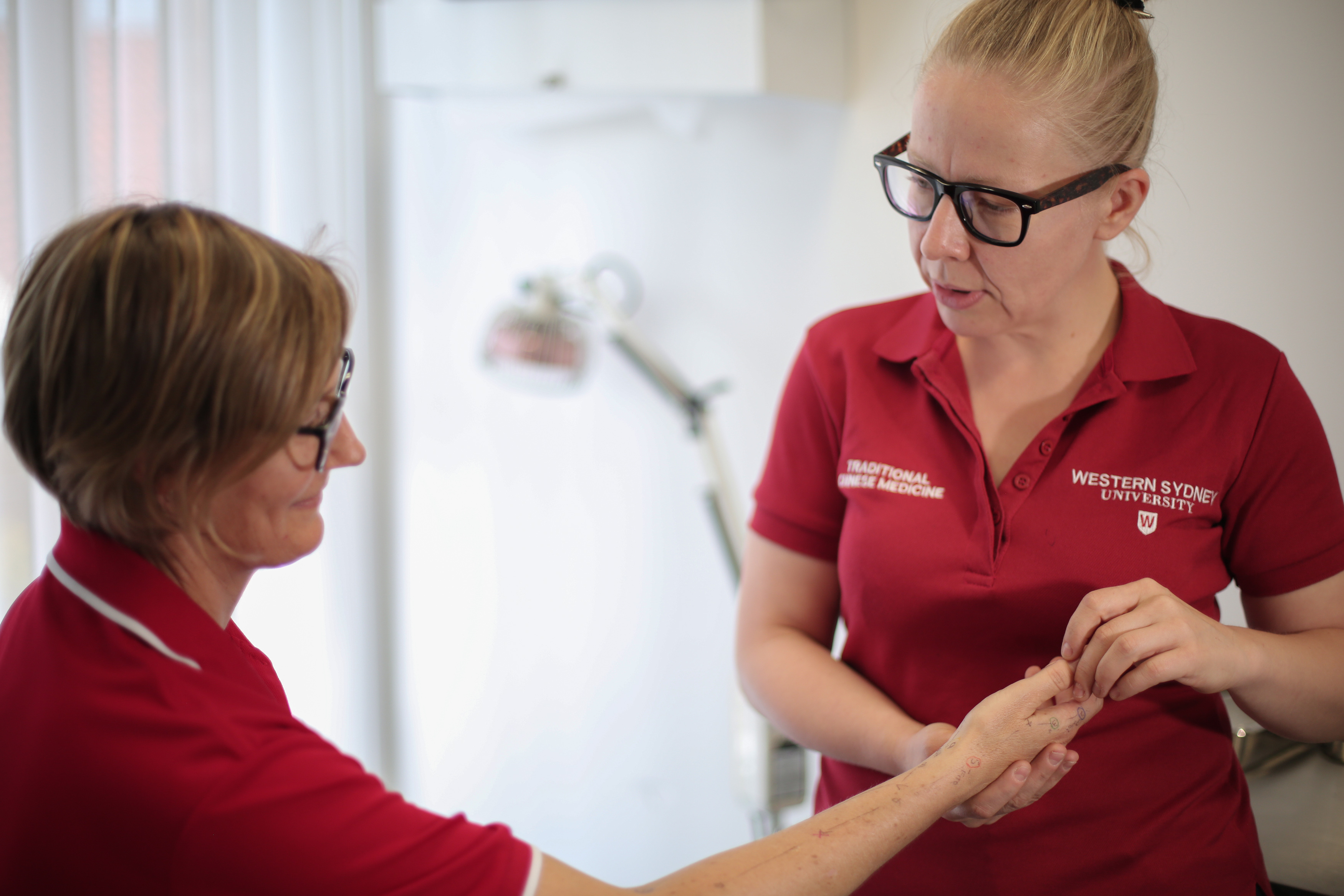
Beata Pieczywek (R), who is now a third-year student studying traditional Chinese medicine in Western Sydney University (WSU), works at the Chinese medicine center of the WSU in Sydney, Australia, on April 8, 2019. (Xinhua/Bai Xuefei)
Lisa Holden, student supervisor of the Chinese medicine center of the WSU, said she is trying to impart the harmony of old and new medicine.
"The analytical approach from Western medicine, and the approach of balance and harmony from Chinese medicine -- if you can put the two things together ... they complement each other so beautifully," Holden said.
Currently, Australia has more than 4,800 registered traditional Chinese medicine practitioners. Driven by a rising demand for Chinese medicine, qualified graduates are expected to play an expanding role in the country's health sector.
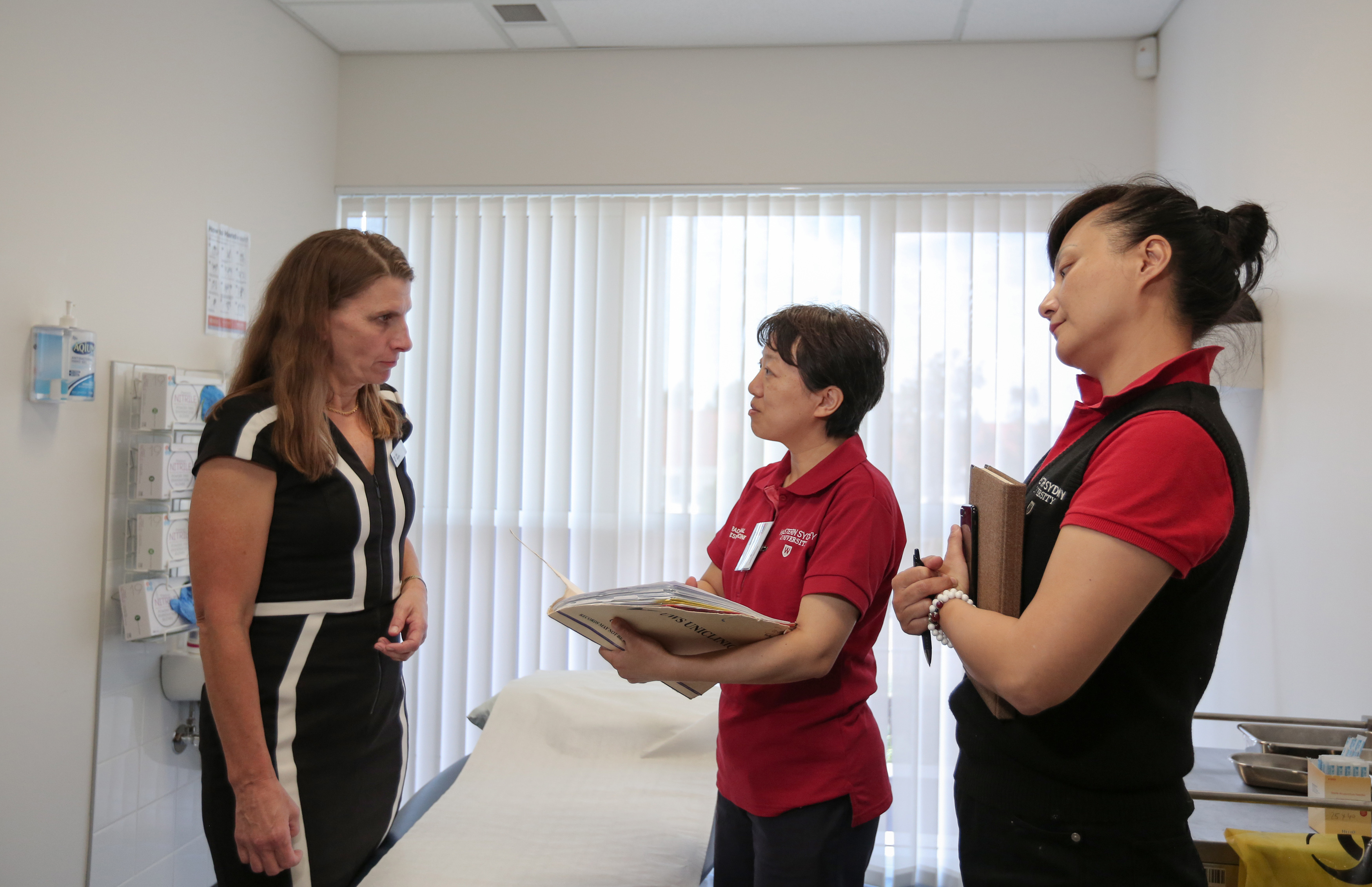
Lisa Holden (L), student supervisor of the Chinese medicine center of the Western Sydney University (WSU), works at the Chinese medicine center of the WSU in Sydney, Australia, on April 8, 2019. (Xinhua/Bai Xuefei)
With its unique experience and wisdom, traditional Chinese medicine is gaining wider recognition from around the world, with clinics and practitioners offering comfort and cure for those in need.
There should not be barriers between traditional Chinese medicine and Western medicine, and both should join forces to serve people's health needs, former Director-General of World Health Organization Margaret Chan once said.
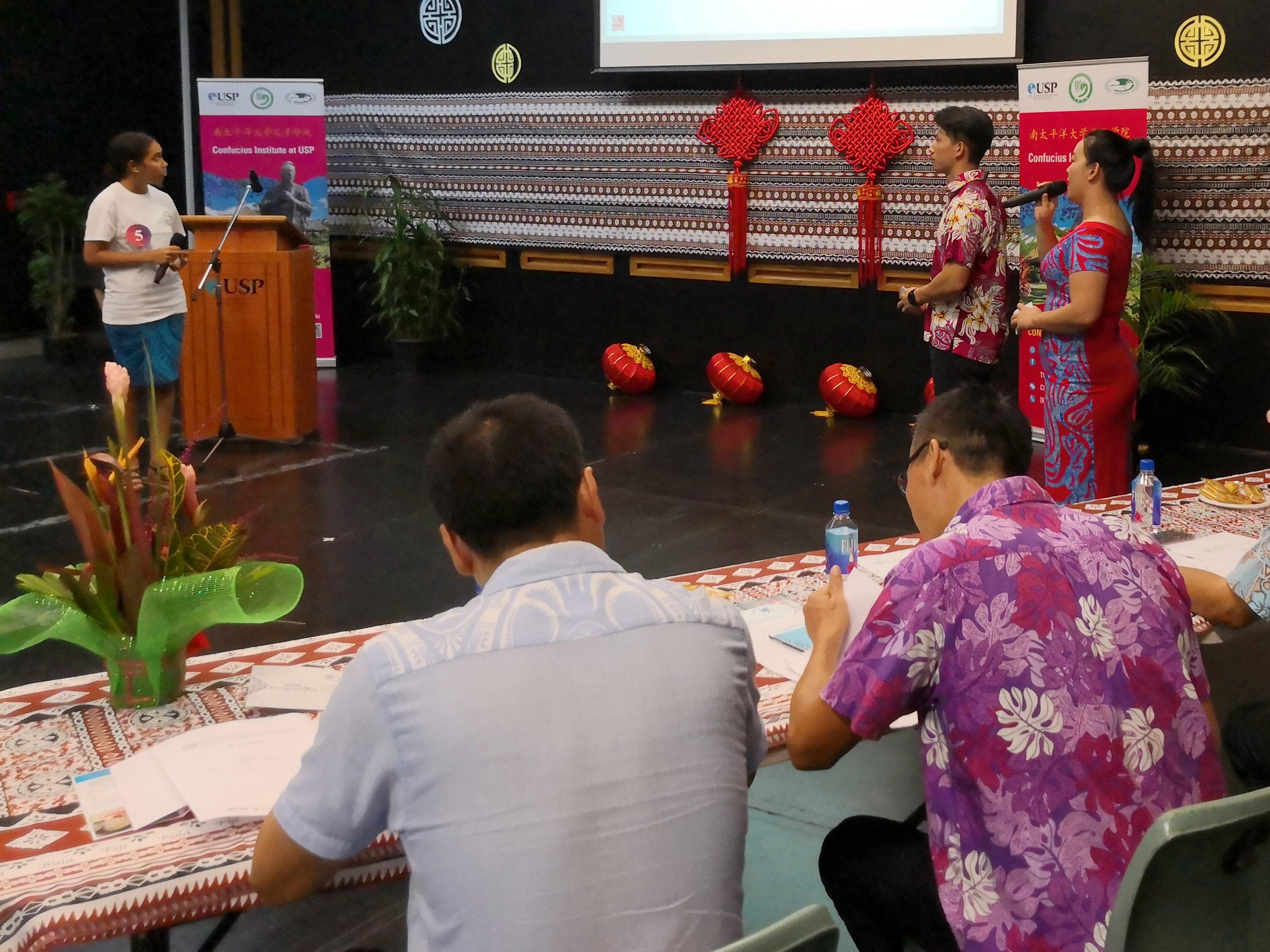
Tania Wichham (1st L), 23, answers questions during the 18th regional finals of "Chinese Bridge" in Suva, capital of Fiji, on May 6, 2019. Tania Wichham finally won the second prize of competition. (Xinhua/Zhang Yongxing)
TRANSCENDING LANGUAGE BARRIERS
For many WSU students studying traditional Chinese medicine, the biggest challenge is not to master the intricacy of the subject, but to learn in the Chinese context, such as remembering the Chinese names of different remedies.
This is why the university is engaged in extensive translation efforts to make sure that traditional Chinese medicine is not just loosely translated to English, but translated effectively and accurately.
Elsewhere in the world, endeavors are being made to remove language barriers and pave the way for closer cross-cultural exchanges. The "Chinese Bridge" language competition is one example.
Earlier this month in Fiji, 18-year-old Natasha Chan and 23-year-old Tania Wichham passed rounds of Q&As, speeches and talent shows to win the top two prizes of the 18th regional finals of "Chinese Bridge," an annual Chinese proficiency competition for foreign students. They will travel to China later this year for the final competition.
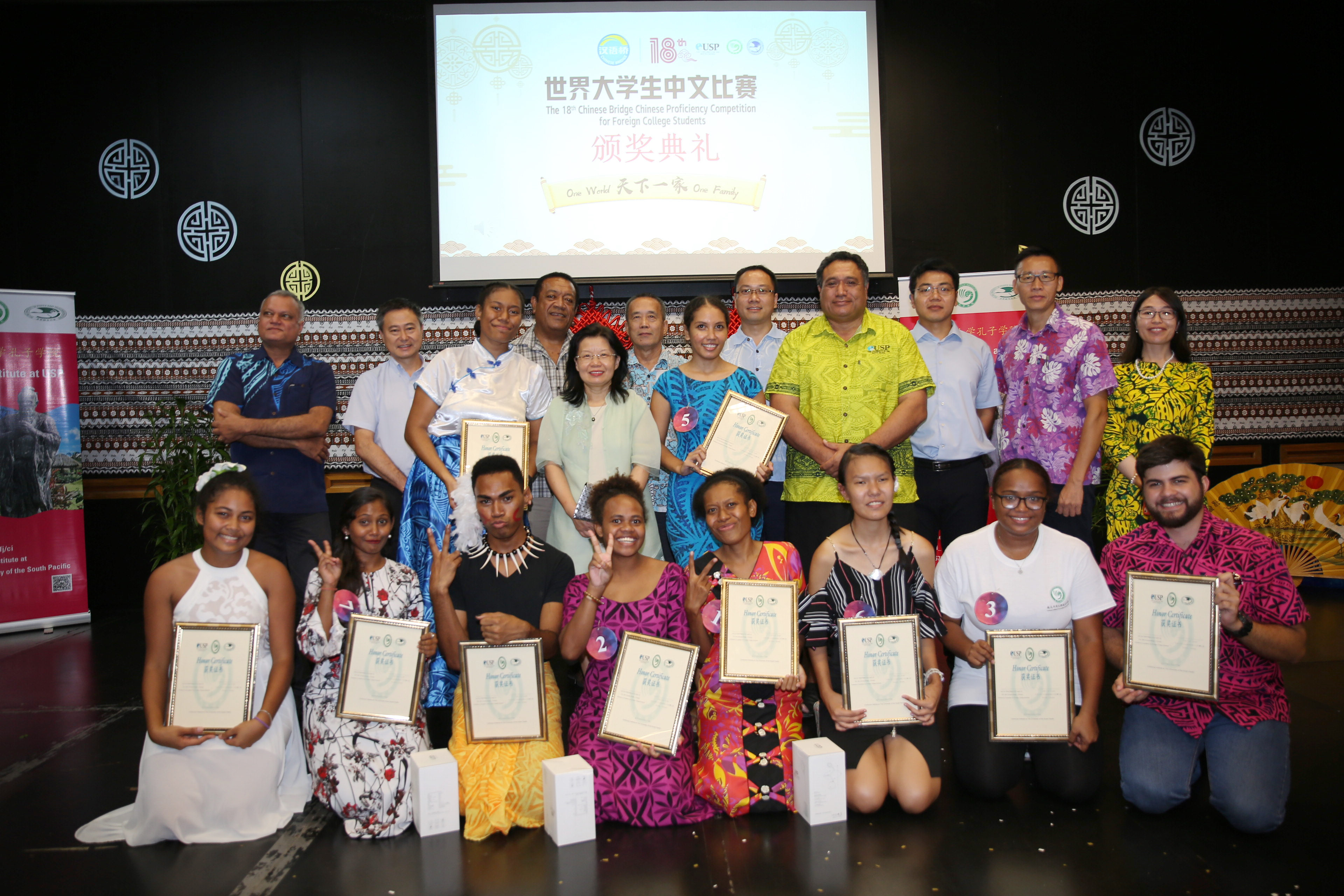
Participants pose for a group photo after the 18th regional finals of "Chinese Bridge" in Suva, capital of Fiji, on May 6, 2019. (Xinhua/Zhang Yongxing)
"We have witnessed a sharp rise in the number of people who want to learn Chinese in Fiji and the South Pacific region," said Akanisi Kedrayate, dean of the faculty of arts, law and education at the University of the South Pacific.
Since 2002, the "Chinese Bridge" competition has attracted more than 1 million participants from over 130 countries and regions. Young students such as Chan and Wichham are prepared to take the stage and use the language, the best tool for communication, to promote cultural exchange between China and the rest of the world. Enditem
(Xinhua reporters Chen Xin, Abdul Haleem in Kabul, Bai Xu, Pan Xiangyue, Zhou Zihan in Canberra, Duncan Murray, Hao Yalin in Sydney and Zhang Yongxing in Suva contributed to this story)
(Video reporters: Lin Ning, Zou Delu, Zhang Yongxing, Hao Yalin, Bai Xu; Video editor: Liu Yuting)
